


Swimming is much more than moving from one end of a pool to the other. Every lap presents an opportunity to build fitness, improve technique, increase endurance, and develop confidence in the water. Whether you are swimming for health, recreation, or performance, following a structured swimming workout plan can transform the way you train.
Many swimmers enter the pool with enthusiasm but without a clear direction. They swim a few laps, take frequent breaks, and leave without knowing if they are making progress. While any movement in the water is beneficial, a planned approach often delivers better results. A carefully designed swimming workout plan gives each session a purpose and helps swimmers steadily improve over time.
At Larsson Swim Academy, structured training is an important part of helping swimmers develop skills and enjoy the sport. When workouts are organized around specific goals, progress becomes easier to track and every session feels more rewarding.
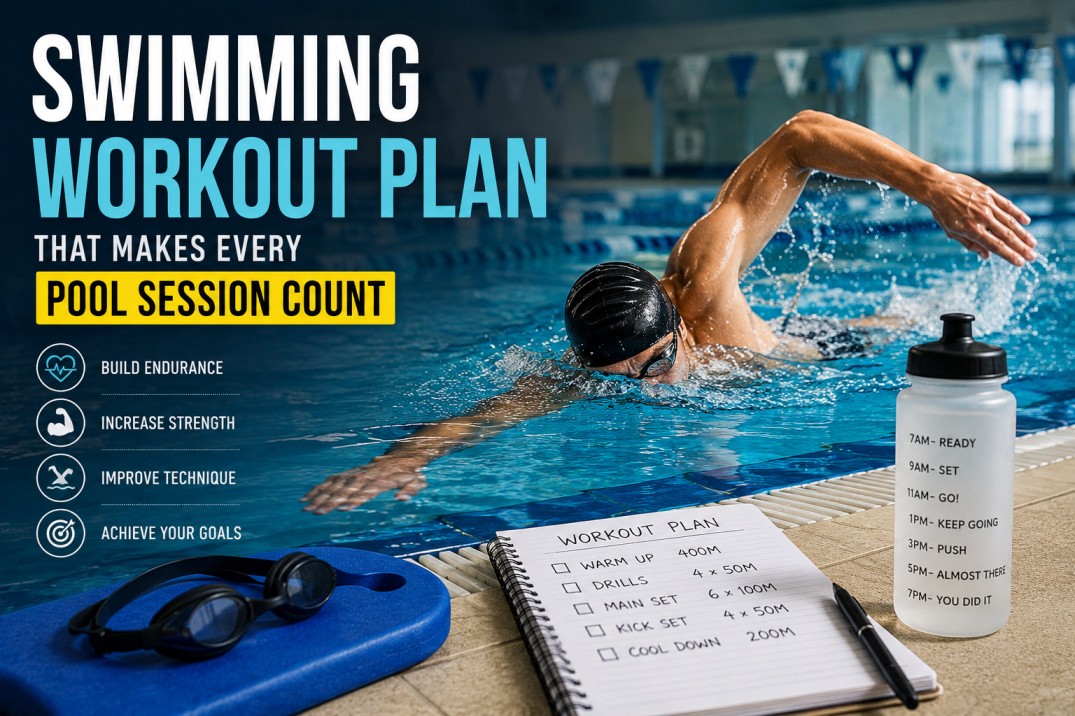
Why Random Swimming Often Limits Progress
A common mistake among recreational swimmers is approaching every session the same way. They swim a comfortable distance, repeat the same pace, and rarely challenge themselves with new techniques or training methods.
This routine may feel productive at first, but progress often slows after a few weeks. The body adapts quickly, and without variation, improvements become difficult to achieve.
A proper swimming workout plan introduces variety and progression. Some sessions focus on endurance, while others concentrate on speed, technique, or recovery. This balance keeps training enjoyable and encourages continuous improvement.
Swimmers who follow a structured approach frequently notice changes in their fitness, stamina, and swimming efficiency. They become more comfortable in the water and develop better control over their movements.
What Makes an Effective Swimming Workout Plan
Every successful swimming workout plan begins with a clear objective. Some swimmers want to improve fitness, while others aim to become stronger, swim longer distances, or learn better stroke techniques.
Regardless of the goal, effective swim training usually includes several key elements.
A warm up prepares the body for activity and helps reduce stiffness. Technique drills improve swimming efficiency and help swimmers move through the water with less effort. The main workout targets endurance, strength, or speed. Finally, a cool down allows the body to recover gradually.
Combining these elements creates a balanced training experience that supports both performance and enjoyment.
A Weekly Swimming Workout Plan for Consistent Improvement
The following schedule provides an example of how swimmers can organize their training week.
| Day | Training Focus | Suggested Activity |
|---|---|---|
| Monday | Endurance | Continuous lap swimming at a steady pace |
| Tuesday | Technique | Breathing drills and stroke correction |
| Wednesday | Speed | Short sprint intervals with rest periods |
| Thursday | Active Recovery | Easy swimming and mobility work |
| Friday | Strength | Pull sets and kick focused exercises |
| Saturday | Mixed Session | Combination of endurance and speed training |
| Sunday | Recovery | Rest and stretching |
This swimming workout plan can be adjusted according to age, fitness level, and swimming experience.
Building Confidence Through Structured Pool Sessions
Confidence in the water develops through repetition and preparation. Swimmers who follow a swimming workout plan know exactly what they need to accomplish during each session.
This structure removes uncertainty and creates a sense of achievement. Completing planned sets and reaching personal milestones helps swimmers feel more capable and motivated.
Confidence becomes especially important for beginners. Learning how to breathe properly, maintain body position, and complete longer distances can seem challenging at first. With regular practice and a clear training routine, these skills gradually become second nature.
As confidence grows, swimmers often become more willing to try new techniques and challenge themselves with more demanding workouts.
How Endurance Training Changes Your Swimming Experience
Many people begin swimming because they want to improve their overall fitness. Endurance training plays a major role in achieving this goal.
An effective swimming workout plan includes sessions dedicated to increasing stamina and cardiovascular fitness. These workouts typically involve swimming longer distances at a controlled pace while maintaining good technique.
At first, even a few laps may feel demanding. Over time, however, the body adapts. Breathing becomes easier, muscles recover more quickly, and longer swims begin to feel comfortable.
Improved endurance benefits swimmers both inside and outside the pool. Daily activities often become easier, energy levels improve, and physical fitness increases significantly.
The ability to swim continuously without excessive fatigue is one of the most rewarding outcomes of following a structured training routine.
The Role of Technique in a Swimming Workout Plan
Swimming is unique because success depends heavily on technique. Strong muscles alone cannot compensate for inefficient movement in the water.
A well designed swimming workout plan dedicates time to refining stroke mechanics. Small technical improvements can produce substantial gains in speed and efficiency.
Swimmers who maintain proper body alignment experience less resistance in the water. Effective breathing patterns help preserve energy, while efficient arm and leg movements improve propulsion.
Many swimmers discover that improving technique allows them to swim farther with less effort. Instead of working harder, they learn to work smarter.
This is one reason why professional swim coaches place so much emphasis on technical development during training sessions.
Common Training Mistakes Swimmers Should Avoid
Even dedicated swimmers sometimes make mistakes that limit their progress. Recognizing these habits can help maximize the benefits of a swimming workout plan.
Common mistakes include:
- Skipping warm up exercises
- Swimming every session at the same pace
- Ignoring technique correction
- Taking excessive rest between sets
- Focusing only on distance
- Neglecting recovery days
- Poor breathing habits during training
Avoiding these issues helps swimmers maintain steady improvement and enjoy more productive workouts.
How Swimming Builds Full Body Fitness
One reason swimming remains popular across all age groups is its ability to train the entire body. Unlike activities that focus on specific muscle groups, swimming engages the arms, shoulders, chest, back, core, and legs simultaneously.
A balanced swimming workout plan takes advantage of this natural resistance provided by water. Every movement requires muscular effort, helping swimmers develop strength while improving cardiovascular fitness.
Because swimming places minimal impact on joints, it is often suitable for individuals seeking effective exercise without excessive strain. Many people find that regular swimming helps improve flexibility, posture, and overall physical conditioning.
The combination of strength and endurance training makes swimming one of the most complete forms of exercise available.
Why Variety Keeps Swimming Interesting
Training can become repetitive when swimmers perform the same workout every week. Variety plays an important role in maintaining enthusiasm and encouraging continued progress.
A quality swimming workout plan introduces different challenges throughout the week. One session may focus on endurance, while the next emphasizes speed or technical skills.
Changing workout formats keeps swimmers mentally engaged and physically challenged. It also prevents training plateaus that can occur when the body becomes accustomed to repetitive exercise.
Many swimmers find that variety makes them look forward to each visit to the pool. Every session offers a new objective and a fresh opportunity to improve.
Training Goals that Make a Difference
Clear goals help swimmers stay motivated and committed to their training routine. A swimming workout plan becomes more effective when it is connected to specific objectives.
Some swimmers aim to complete their first uninterrupted kilometer. Others want to improve lap times, develop stronger strokes, or increase overall fitness.
Breaking large goals into smaller milestones creates a sense of progress and achievement. Each success builds momentum and encourages continued effort.
Tracking improvements over time also provides valuable feedback. Swimmers can identify strengths, address weaknesses, and adjust their training strategy as needed.
Creating Healthy Training Habits
Consistency is often more important than intensity. A swimmer who trains regularly is likely to achieve better results than someone who trains aggressively but inconsistently.
An organized swimming workout plan helps establish healthy habits that support ongoing development. Scheduling sessions in advance makes it easier to stay committed and avoid missed workouts.
Good habits extend beyond the pool as well. Adequate sleep, proper hydration, balanced nutrition, and recovery all contribute to swimming performance.
When these factors work together, swimmers are better prepared to handle training demands and continue improving throughout the year.
How Swimming Benefits Different Age Groups
Swimming offers unique advantages for children, teenagers, adults, and older individuals. A flexible swimming workout plan can be adapted to meet the needs of each group.
Young swimmers develop water confidence, coordination, and fundamental movement skills. Teenagers often benefit from improved fitness and athletic development.
Adults frequently use swimming to support active lifestyles, manage stress, and maintain overall health. Older swimmers appreciate the low impact nature of the activity while continuing to enjoy its fitness benefits.
Because swimming is suitable for a wide range of abilities, it remains one of the most accessible and enjoyable forms of exercise available today.
Conclusion
A structured swimming workout plan provides direction, purpose, and measurable progress for swimmers of every level. Rather than approaching each session without a goal, swimmers benefit from organized training that balances endurance, technique, strength, and recovery.
Whether you are learning the basics or looking to improve performance, a well planned approach helps maximize every minute spent in the pool. Consistent training, proper technique, and realistic goals create a strong foundation for success.
By following an effective swimming workout plan, swimmers can build fitness, improve confidence, develop stronger skills, and enjoy a more rewarding experience in the water.
FAQs
1. How many days per week should I follow a swimming workout plan?
Most swimmers achieve good results by training three to five times each week, depending on their goals and fitness level.
2. Is a swimming workout plan suitable for beginners?
Yes. Beginners can start with shorter sessions that focus on basic techniques, breathing control, and gradual endurance development.
3. Can swimming help improve overall fitness?
Swimming provides a full body workout that improves cardiovascular health, muscular endurance, flexibility, and general fitness.
4. How long should a typical swimming session last?
Most training sessions range from 30 to 60 minutes, although advanced swimmers may spend more time in the pool.
5. Why is technique important in swimming?
Good technique helps swimmers move efficiently through the water, conserve energy, improve speed, and reduce unnecessary effort during training.
